





Severe weather in northern Minnesota often arrives quickly and leaves behind damage that is not always obvious from the ground. Hail, in particular, can…
Severe weather in northern Minnesota often arrives quickly and leaves behind damage that is not always obvious from the ground. Hail, in particular, can weaken roofing materials without creating immediate leaks, which makes early detection more important than many homeowners realize. In many cases, issues only become visible weeks or even months after a storm has passed. That delay can turn minor surface damage into more expensive structural concerns if left unaddressed.
The focus on hail damage roof repair in Ham Lake, MN, reflects how common and disruptive these weather events can be for local homes. Roofing systems in this region are built to handle seasonal stress, but hail impact introduces a different kind of challenge that requires careful evaluation and timely action. A structured approach to inspection and repair helps maintain both safety and long-term property value.
How Hail Affects Roofing Systems
Hail damage does not always look dramatic, but its effects can be significant. Even small hailstones can bruise shingles, loosen protective granules, and weaken the outer layers of roofing materials. Over time, these compromised areas reduce the roof’s ability to shed water effectively. Once the protective surface is damaged, UV exposure and moisture accelerate deterioration.
Homes in Ham Lake are especially vulnerable during sudden spring and summer storms when hail often accompanies high winds. The combination of impact and wind uplift increases the likelihood of hidden damage along roof edges, ridges, and flashing points. In many cases, the full extent of the issue only becomes clear during a professional inspection.
Timberline Roofing evaluates these conditions with a focus on identifying both visible and underlying damage. This includes checking for granule loss, soft spots, and displaced shingles that may not be obvious during a casual visual check. The goal is to ensure that minor impacts do not evolve into larger repair needs over time.
Identifying Signs of Roof Damage After a Storm
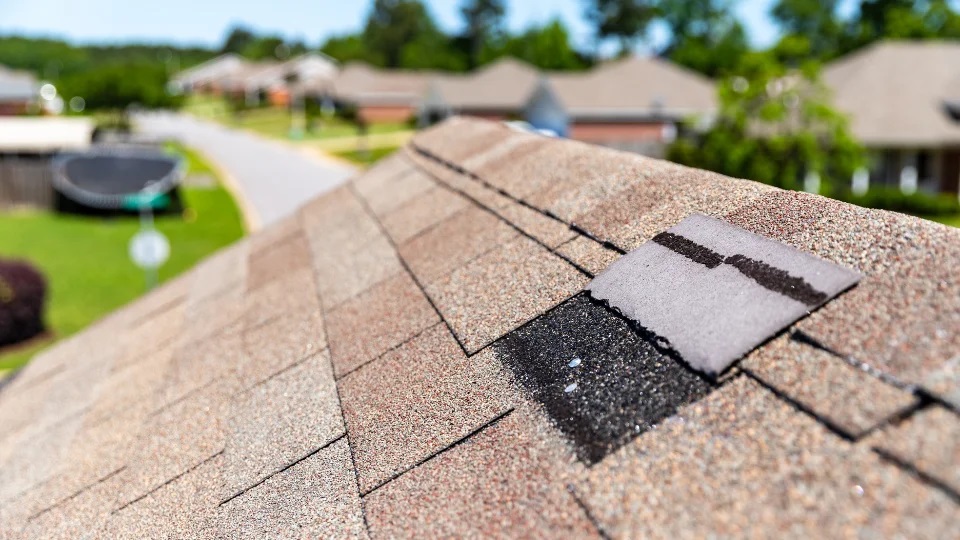
After a hailstorm, several warning signs may suggest roof damage even when leaks are not immediately present. Dented gutters, cracked shingles, and small dark spots on roofing surfaces often indicate impact areas. Indoors, subtle signs such as ceiling stains or moisture buildup in the attic can also point to hidden issues.
A careful inspection process is essential because hail damage often spreads unevenly across a roof. One section may appear unaffected while another contains concentrated impact points that weaken overall performance. This is why professional evaluation is often recommended instead of relying solely on ground-level observations.
Timberline Roofing supports homeowners by providing structured assessments that identify both immediate repair needs and potential future risks. This approach helps reduce uncertainty after storms and ensures that damage is addressed before it worsens. Early detection is one of the most effective ways to avoid larger structural repairs later.
Repair Approach and Long-Term Restoration
Once damage is confirmed, the repair process typically focuses on restoring the roof’s protective layers and ensuring structural integrity. This may involve replacing compromised shingles, reinforcing flashing, or addressing areas where water resistance has been reduced. The goal is not only to fix visible damage but to restore the system’s overall performance.
Hail damage roof repair in Ham Lake, MN, often requires a detailed approach because storm impact can vary widely across different roofing materials. Some sections may require spot repairs while others need broader restoration to maintain consistent protection. A thoughtful repair strategy helps extend the life of the existing roof rather than replacing it prematurely.
Timberline Roofing prioritizes repair solutions that match the condition of the roof while maintaining durability for future weather events. Attention to detail during this stage helps ensure that repaired areas blend seamlessly with the existing structure and perform reliably under seasonal stress.
Preventing Future Storm Vulnerability
While hail cannot be prevented, its impact can be managed through preparation and routine maintenance. Regular inspections help identify weak points before storm season begins, such as aging shingles or compromised flashing. Strengthening these areas reduces the likelihood of extensive damage during severe weather events.
Homeowners also benefit from understanding how roofing materials respond to impact over time. Some materials offer greater resistance to hail, while others may require more frequent monitoring depending on age and exposure. Keeping gutters clear and ensuring proper drainage also helps reduce secondary damage after storms.
Timberline Roofing continues to support homeowners by offering guidance on maintenance and storm readiness. Timberline Roofing emphasizes practical solutions that align with regional weather patterns, helping homeowners stay ahead of potential issues. Timberline Roofing remains a consistent resource for evaluating storm damage and planning repairs that protect long-term property value.