

Creating a beautiful interior is no longer just about selecting stylish furniture or choosing the perfect paint color. Today, modern wall panels…
Creating a beautiful interior is no longer just about selecting stylish furniture or choosing the perfect paint color. Today, modern wall panels have become an essential design element that adds texture, depth, and personality to residential and commercial spaces alike. Whether you’re renovating a family home, decorating a luxury apartment, or designing a professional office, wall panels provide an elegant solution for transforming plain walls into impressive architectural features.
The Rise of Modern Wall Panels
Interior design trends have shifted toward clean, sophisticated spaces with subtle details that make a lasting impression. Instead of relying on excessive decoration, designers now focus on surfaces, materials, and textures to create visual interest.
Modern wall panels perfectly match this philosophy. They offer an ideal balance between simplicity and style while introducing dimension that painted walls alone cannot achieve. Available in countless finishes, patterns, and materials, they allow homeowners and architects to customize interiors according to virtually any design concept.
As technology and manufacturing continue to improve, today’s decorative wall panels are more precise, durable, and versatile than ever before.
Why Homeowners Choose Wall Panels
One of the biggest advantages of modern wall panels is their ability to completely transform a room without major construction work.
Instead of rebuilding walls or installing expensive architectural ornamentation, panels create a luxurious appearance using relatively simple installation methods.
Additional benefits include:
- Fast room transformation
- Minimal maintenance
- Long-lasting durability
- Wide range of styles
- Paintable options
- Improved wall protection
- Easy coordination with modern interiors
- Professional architectural appearance
These advantages make decorative panels increasingly popular among homeowners looking for practical yet stylish improvements.
Suitable for Every Interior Style
Although the word “modern” suggests contemporary homes, decorative wall panels complement many different interior styles.
Scandinavian Interiors
Simple vertical grooves and soft neutral colors create warmth while maintaining clean lines.
Minimalist Spaces
Flat geometric designs add texture without overwhelming the simplicity of the room.
Industrial Design
Concrete finishes, black accents, and ribbed wall panels create bold architectural statements.
Luxury Homes
Large decorative panels paired with premium lighting deliver a sophisticated hotel-inspired atmosphere.
Japandi Style
Natural textures and soft wood tones combine beautifully with understated wall patterns.
Because panels are available in numerous colors and finishes, they easily adapt to changing interior trends.
Perfect Rooms for Decorative Panels
Living Room
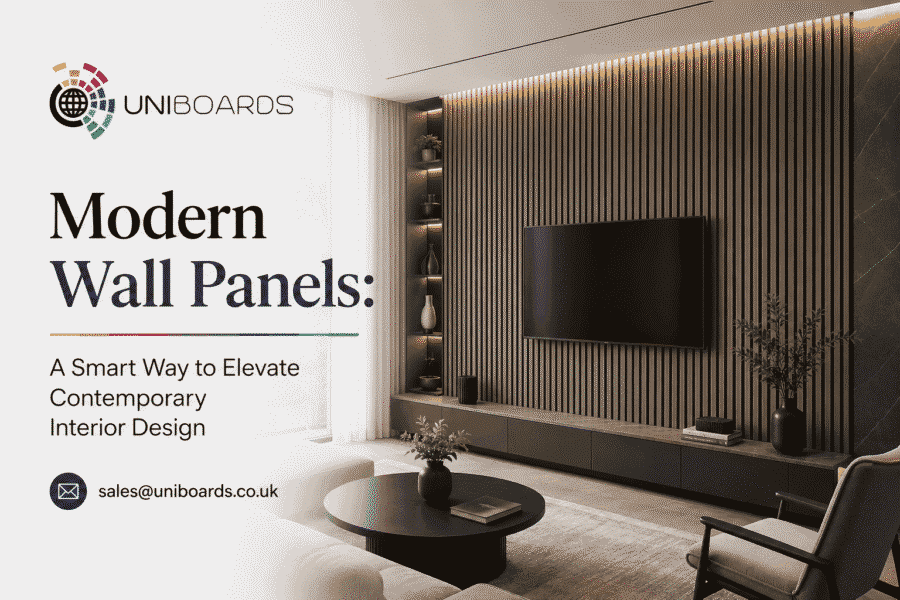
A feature wall behind the television or sofa instantly becomes the centerpiece of the room. Decorative lighting further enhances the panel texture.
Bedroom
Panels installed behind the bed create an elegant headboard wall while adding warmth and visual depth.
Dining Room
Textured walls provide a refined background that complements dining furniture and decorative lighting.
Entrance Hall
First impressions matter. Decorative panels immediately create a welcoming and premium appearance for guests.
Home Office
Modern wall panels help create a professional environment while improving the visual background for video conferences.
Materials Available
Modern wall panels are manufactured using various materials, each offering different benefits.
MDF
One of the most popular choices due to its smooth surface, precision machining, and paintability.
Natural Wood
Adds warmth, unique grain patterns, and timeless elegance.
PVC
Lightweight, moisture-resistant, and easy to maintain.
Acoustic Panels
Designed to improve sound absorption while adding decorative appeal.
Composite Materials
Offer increased durability for high-traffic commercial environments.
Selecting the right material depends on the room, budget, and desired visual effect.
Colors That Never Go Out of Style
Neutral shades remain the most popular choice for decorative interiors.
Common color options include:
- White
- Soft grey
- Charcoal
- Beige
- Black
- Oak finishes
- Walnut tones
- Natural wood colors
These timeless finishes coordinate easily with flooring, furniture, and decorative accessories.
Lighting Enhances Every Detail
Wall panels become even more impressive when combined with carefully planned lighting.
LED strip lights hidden along ceilings or behind panel edges create soft indirect illumination. Wall sconces produce attractive shadows that emphasize grooves and textures.
Warm white lighting creates a cozy atmosphere, while cooler lighting highlights contemporary architectural lines.
Professional lighting design often makes decorative wall panels appear even more luxurious than the panels themselves.
Easy Maintenance
Unlike wallpaper that may peel or painted walls that require frequent touch-ups, modern wall panels are remarkably easy to maintain.
Routine cleaning usually involves:
- Dusting with a microfiber cloth
- Vacuuming textured surfaces
- Wiping with a damp cloth when necessary
- Avoiding abrasive cleaning products
Properly installed panels retain their appearance for many years with very little maintenance.
Improving Property Value
Interior upgrades frequently increase a property’s visual appeal.
Prospective buyers appreciate homes with carefully designed architectural features, and decorative wall panels immediately create the impression of quality craftsmanship.
Even modest renovations can feel significantly more expensive when textured feature walls become part of the design.
This makes wall panels a worthwhile investment for homeowners planning future resale.
Commercial Applications
Modern wall panels are widely used outside residential interiors.
Popular commercial settings include:
- Hotels
- Restaurants
- Retail stores
- Beauty salons
- Reception areas
- Medical clinics
- Conference rooms
- Corporate offices
In commercial environments, decorative walls help strengthen brand identity while creating welcoming spaces for customers and visitors.
Combining Panels with Other Materials
One reason designers love decorative panels is their compatibility with many interior finishes.
Excellent combinations include:
- Natural wood flooring
- Marble countertops
- Black steel details
- Glass partitions
- Large mirrors
- Decorative concrete
- Upholstered furniture
- Indoor plants
Mixing textures creates balanced interiors that feel both sophisticated and comfortable.
Sustainability Matters
Many manufacturers now focus on environmentally responsible production.
Responsibly sourced wood fibers, efficient manufacturing processes, and low-emission finishes contribute to more sustainable interior solutions.
Choosing durable materials also reduces waste because long-lasting decorative features require fewer replacements over time.
As homeowners become increasingly environmentally conscious, sustainable wall panels continue gaining popularity.
Current Design Trends
Today’s interiors emphasize texture over excessive decoration.
Vertical lines create the illusion of higher ceilings, while geometric patterns introduce subtle movement. Large-format panels reduce visible joints, producing cleaner and more seamless walls.
Neutral palettes remain dominant, although darker feature walls continue to grow in popularity for luxury interiors.
Architects increasingly combine decorative wall panels with concealed lighting, floating furniture, and minimalist décor to create elegant spaces that remain timeless rather than trend-driven.