




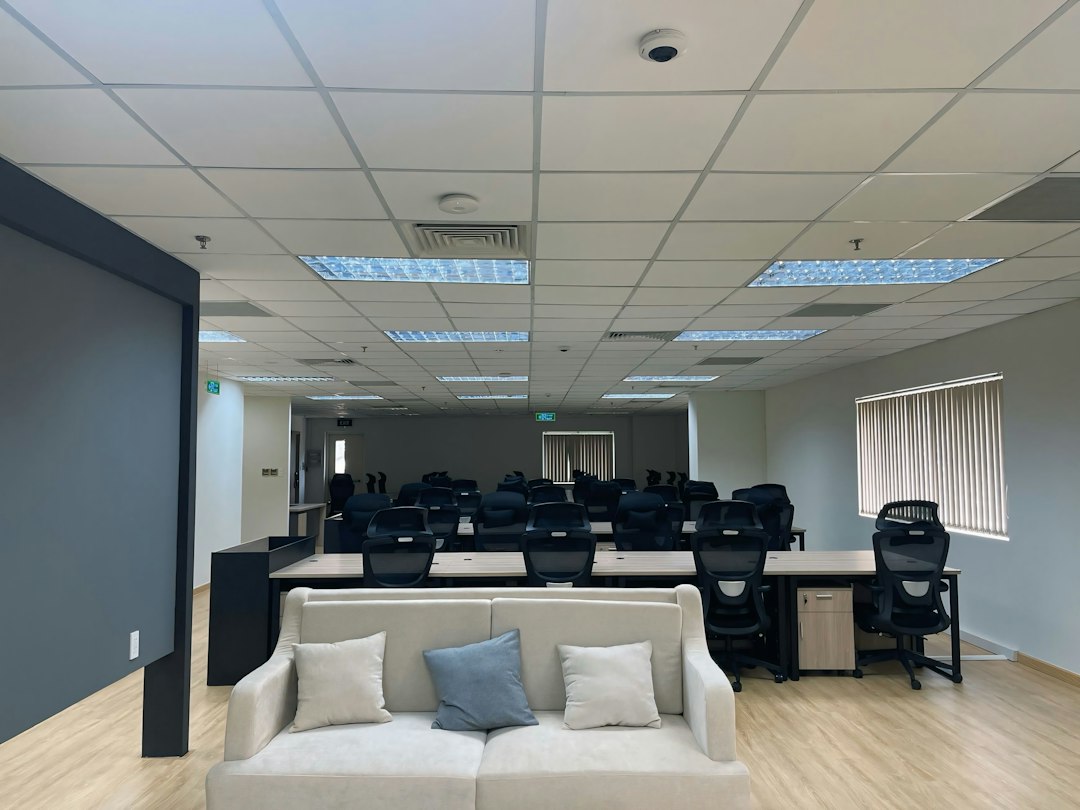
Flexibility. Explore how Hann Group develops flexible spaces for evolving business needs in Australia.
Australia’s business environment is becoming more dynamic, with organisations seeking property solutions that can accommodate expansion, operational changes, technology, and evolving workplace expectations. Flexible commercial and industrial spaces are therefore becoming increasingly valuable across the property sector. Hannas Group reflects a development approach focused on creating practical environments that can respond to these changing requirements while supporting long-term business growth.
Contents
- Flexibility Is Becoming a Core Property Requirement
- Changing Business Trends Are Influencing Property Design
- Efficient Layouts Can Support Business Performance
- Location Remains an Important Consideration
- Technology Is Supporting More Adaptable Spaces
- Sustainability Adds Long-Term Value
- Designing for Business Growth
- Creating Future-Ready Business Environments
- Conclusion
Flexibility Is Becoming a Core Property Requirement
Modern businesses need spaces that can evolve alongside their operations. A growing company may require additional storage, larger work areas operations. Adaptable floor plans, efficient layouts, practical access, and multipurpose areas can help organisations make better use of their premises industry trends, businesses increasingly value properties that can support multiple operational functions. Spaces designed with adaptability in mind can provide greater opportunities, improved logistics, or new technology without wanting to relocate every few years.
Flexible property design can provide businesses with greater freedom to adjust their operations. Adaptable floor plans, efficient layouts, practical access, and multipurpose areas can help organisations make better use of their premises as their requirements develop.
Changing Business Trends Are Influencing Property Design
Business models have changed significantly with the growth of digital technology, advanced logistics, e-commerce, automation, and hybrid working practices. These developments have created new expectations for commercial and industrial property.
According to broad industry trends, businesses increasingly value properties that can support multiple operational functions. Spaces designed with adaptability in mind can provide greater opportunities for companies to introduce new processes and technologies without major structural changes.
Efficient Layouts Can Support Business Performance
The design of a property directly affects how efficiently a business can operate. Well-planned spaces can improve movement, storage, accessibility, workflow, and communication between different operational areas.
Modern developments can incorporate carefully positioned entrances, loading areas, storage zones, parking, workspaces, and shared facilities. This practical approach can help businesses use available space effectively while maintaining a professional environment.
Location Remains an Important Consideration
Flexible space becomes even more valuable when it is positioned within a well-connected location. Businesses benefit from convenient access to transport routes, employment areas, services, suppliers, and customers.
Strategic locations can support smoother daily operations while providing opportunities for future growth. As Australian cities continue to expand, well-connected business environments can become increasingly important to organisations looking for practical long-term property solutions.
Technology Is Supporting More Adaptable Spaces
Technology is influencing how businesses use property. Smart building systems, automated equipment, digital security, energy monitoring, and advanced communication infrastructure are becoming increasingly relevant across commercial and industrial environments.
Developments that consider these requirements during the planning stage can provide businesses with spaces that are better prepared for technological change. This creates an opportunity to combine physical flexibility with digital capability.
Sustainability Adds Long-Term Value
Flexible development and sustainability can work together effectively. Energy-efficient lighting, water-conscious systems, environmentally responsible materials, landscaping, and efficient building management can contribute to better-performing properties.
Sustainable features can also support businesses that are increasingly focused on responsible operations and long-term efficiency. This makes environmental consideration an important component of contemporary property development.
Designing for Business Growth
Growth is a central consideration for many organisations. A property that can accommodate additional employees, equipment, inventory, or operational functions can provide businesses with greater confidence as they expand.
Flexible development can therefore create a stronger relationship between property and business strategy. Instead of viewing a building as a fixed asset, organisations can benefit from spaces capable of adapting to changing commercial objectives.
Creating Future-Ready Business Environments
Future-ready development requires an understanding that business needs will continue to evolve. Demographic changes, emerging technologies, infrastructure improvements, sustainability priorities, and new operational models can all influence property requirements.
Thoughtful planning allows developers to anticipate these trends while maintaining a strong focus on functionality and quality. The result can be business environments that remain useful and attractive well beyond their initial completion.
Conclusion
Flexible property development is becoming increasingly important as Australian businesses respond to changing markets, technologies, and operational requirements. Adaptable layouts, strategic locations, modern infrastructure, sustainable features, and future-focused planning can create spaces that support both current performance and long-term growth. By prioritising flexibility and practical design, contemporary developments can provide businesses with environments that are ready to evolve alongside Australia’s changing commercial landscape.
The Short Version
- Australia’s business environment is increasingly seeking flexible commercial and industrial spaces to accommodate expansion and evolving workplace expectations.
- Modern businesses value properties with adaptable floor plans and multipurpose areas that can support multiple operational functions and technologies without the need for relocation.
- The design of a property significantly impacts operational efficiency, with well-planned spaces enhancing movement, accessibility, and workflow among different operational areas.
- Conveniently located flexible spaces provide businesses with better access to transport routes and services, supporting smoother daily operations and future growth opportunities.
- Technological advancements, such as smart building systems and energy monitoring, are becoming essential in creating adaptable commercial and industrial environments.
- Sustainable development practices that incorporate energy efficiency and environmentally responsible materials are increasingly important in contemporary property development for long-term value.