





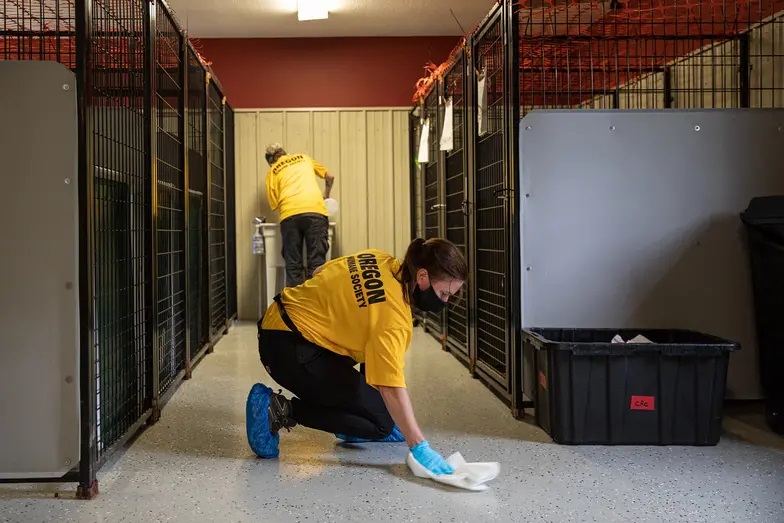
Shelters operate under constant pressure to provide safety, stability, and dignity to people experiencing housing insecurity. Cleanliness becomes part of…
Shelters operate under constant pressure to provide safety, stability, and dignity to people experiencing housing insecurity. Cleanliness becomes part of that foundation, shaping how safe and welcoming a space feels from the moment someone walks in. In this context, EMD Commercial Cleaning supports environments where sanitation directly connects to health, trust, and day-to-day comfort.
The expectations around shelter cleaning in St. Paul, MN, extend well beyond surface-level appearance. These spaces require structured cleaning practices that respond to high occupancy, frequent turnover, and the realities of shared living conditions.
The Role of Clean Environments in Shelter Settings
Shelters function as temporary homes for individuals and families navigating difficult transitions. That means spaces are used heavily throughout the day and often by many different people in a short time span. Common areas, sleeping quarters, kitchens, and restrooms all experience continuous use, which increases the need for consistent cleaning.
High-touch surfaces become especially important in this setting. Door handles, railings, tables, and shared equipment can quickly accumulate contaminants. Without a reliable sanitation routine, small issues can escalate into broader health concerns.
Clean environments also contribute to emotional well-being. A well-maintained space can reduce stress for residents and create a sense of stability in an otherwise uncertain time.
Health, Hygiene, and Public Responsibility
Shelter environments carry unique public health responsibilities because they serve vulnerable populations. Many residents may already be dealing with health challenges, limited access to care, or weakened immune systems. This makes infection prevention a critical part of daily operations.
Routine disinfecting helps reduce the spread of respiratory illnesses, skin infections, and other communicable conditions. Bathrooms and sleeping areas require particular attention because of their constant use and close proximity between individuals.
Effective sanitation practices also extend to laundry handling, waste removal, and food preparation areas. Each of these zones plays a role in reducing exposure risks and maintaining a baseline level of safety throughout the facility.
Operational Demands in St. Paul Shelter Facilities
The environment in St. Paul adds another layer of complexity. Seasonal changes bring in mud, snow, and moisture that easily spread through high-traffic entryways. During colder months, indoor occupancy increases, which places even more pressure on shared spaces.
These conditions make structured cleaning schedules essential. Entry points often require frequent attention to prevent buildup that can spread through the rest of the facility. Floors, mats, and corridors become priority zones because they act as the first line of containment for outdoor contaminants.
Within this setting, shelter cleaning in St. Paul, MN requires flexibility. Cleaning teams must adapt to fluctuating occupancy levels while maintaining consistent sanitation standards that do not fall behind during peak usage periods.
Structured Cleaning Approaches That Support Stability
Consistency is one of the most important elements in shelter sanitation. Without it, cleanliness becomes reactive rather than preventive. A structured approach ensures that critical areas are cleaned on schedule, even during high-demand periods.
EMD Commercial Cleaning focuses on maintaining that consistency through detailed routines tailored to the demands of shared living environments. This includes rotating deep-cleaning tasks, prioritizing high-contact surfaces, and maintaining restroom sanitation throughout the day rather than on a fixed daily cycle.
Another important factor is the use of appropriate cleaning products. In shelter environments, solutions must be strong enough to disinfect effectively while still being safe for frequent human contact. Balancing effectiveness with safety helps protect residents without introducing additional risks.
Staff coordination also plays a role in maintaining efficiency. Cleaning schedules often need to align with meal times, intake periods, and resident movement patterns to avoid disruption while still ensuring full coverage of all necessary spaces.
Supporting Dignity Through Clean Spaces
Cleanliness in shelters is not only about preventing illness. It also shapes how residents perceive their environment and their sense of dignity while staying there. A well-kept space communicates care and respect, even during temporary or transitional living situations.
When sanitation is consistent, staff can focus more fully on support services rather than managing avoidable environmental concerns. That balance helps improve overall operations and creates a more stable atmosphere for everyone involved.
EMD Commercial Cleaning plays a role in maintaining that balance by reinforcing structured cleaning systems that adapt to the unique pressures of shelter environments. In the context of shelter cleaning in St. Paul, MN, that consistency becomes a key part of supporting both health and human dignity.
Partner with EMD for Reliable Shelter Cleaning Services!
Shelter environments rely on more than basic upkeep. They depend on cleaning systems that respond to high usage, changing conditions, and the needs of vulnerable populations. Without that structure, maintaining safety and comfort becomes significantly more difficult.
Through consistent sanitation practices and attention to detail, EMD Commercial Cleaning supports facilities that serve some of the most important needs in the community. In spaces where stability is often fragile, clean environments help create a foundation that residents and staff can rely on every day.