




Outdoor wellness has become a natural extension of how homeowners in colder regions think about comfort and recovery. In Wisconsin, where seasonal…
Outdoor wellness has become a natural extension of how homeowners in colder regions think about comfort and recovery. In Wisconsin, where seasonal extremes shape daily routines, interest in at-home heat therapy continues to grow. Backyard sauna setups are no longer viewed as novelty additions but as functional spaces that support relaxation and balance throughout the year.
Within this shift, Copycat Hearth & Home has focused on helping homeowners explore practical outdoor living solutions that feel intentional rather than decorative. One of the most requested concepts centers on outdoor saunas in Wisconsin, where durability and comfort need to work together in a demanding climate.
Growing Demand in Cold-Climate Wellness
Interest in heat-based recovery spaces has expanded as people look for simple ways to manage stress and physical fatigue. In colder climates, especially, contrast therapy becomes part of everyday life. Moving between cold outdoor air and a heated sauna creates a routine that feels both grounding and restorative.
The appeal of outdoor saunas in Wisconsin is closely tied to this rhythm. Winter months can be long and physically draining, and having a dedicated space outdoors offers a reliable reset without leaving home. This kind of setup also supports consistency, which is often what turns wellness practices into long-term habits.
Instead of being treated as seasonal luxuries, these spaces are increasingly designed for year-round use. That shift reflects a broader change in how homeowners prioritize health, favoring routines that are easy to maintain rather than complicated or time-consuming.
Design and Material Considerations
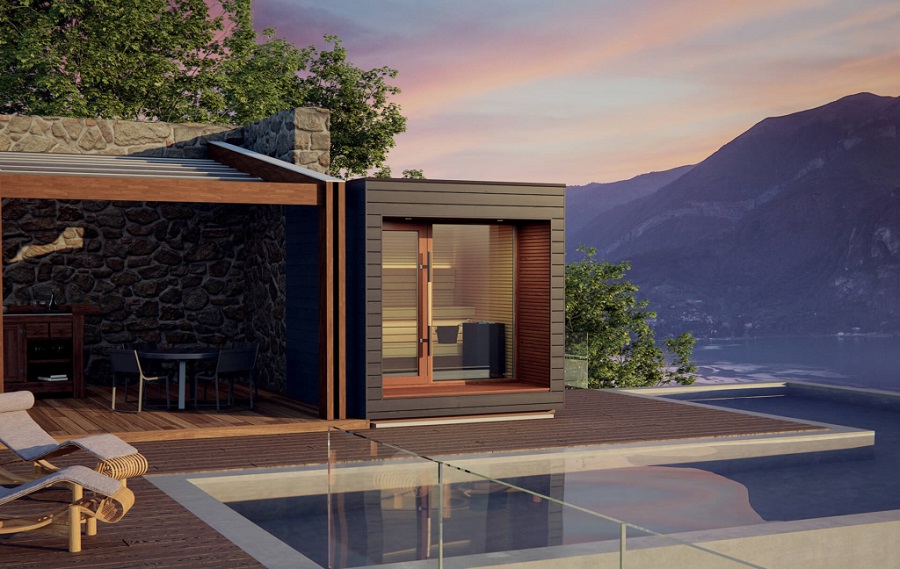
Building an outdoor sauna in Wisconsin requires more than choosing a design that looks appealing. The structure has to handle temperature swings, moisture, and snow load without losing efficiency or comfort. That means material selection becomes one of the most important decisions in the process.
Wood types are often chosen for their stability under heat and humidity changes. Proper insulation helps maintain consistent internal temperatures while reducing energy strain. Ventilation design also plays a role, ensuring air circulation supports both comfort and safety during use.
Attention to detail in these areas directly affects how well the sauna performs over time. A well-built structure does not just heat quickly; it holds temperature efficiently and resists wear from seasonal exposure. These factors contribute to a more reliable experience that feels consistent regardless of weather conditions outside.
Installation and Site Planning
Placement is often overlooked, yet it has a major impact on usability. A sauna positioned without regard for wind direction, drainage, or accessibility can become inconvenient over time. Thoughtful site planning helps avoid these issues before construction begins.
Copycat Hearth & Home approaches installation with an emphasis on aligning structure and environment. The process typically involves evaluating ground stability, ensuring proper foundation support, and selecting a location that balances privacy with ease of access. These details help ensure the sauna integrates naturally into the property rather than feeling added as an afterthought.
In colder climates, foundation preparation is especially important. Freeze and thaw cycles can shift poorly prepared bases, which affects both structure and performance. Addressing these conditions early helps maintain long-term stability and reduces maintenance concerns later on.
Everyday Use and Long-Term Value
Once installed, an outdoor sauna tends to become part of a routine rather than a special occasion feature. Many homeowners use it after physical activity, during cold evenings, or simply as a quiet space away from daily distractions. The simplicity of the experience is what makes it sustainable.
Over time, consistent use is where the value becomes clear. A well-designed sauna does not require complex upkeep, and its benefits extend beyond relaxation. Improved recovery, stress relief, and seasonal comfort all contribute to its ongoing appeal.
As more Midwest homeowners explore outdoor saunas, the focus continues to shift from luxury framing to practical lifestyle integration. The goal is not to create something extravagant, but something that fits naturally into everyday living.
Conclusion
Outdoor sauna spaces continue to grow in relevance as homeowners look for grounded, usable wellness solutions that fit local climates. The combination of thoughtful design, durable materials, and intentional placement determines how well these structures perform over time.
Copycat Hearth & Home remains centered on creating outdoor environments that prioritize long-term comfort and usability over short-term trends. In Wisconsin’s demanding climate, that approach helps ensure sauna spaces remain functional, reliable, and genuinely useful throughout the year.