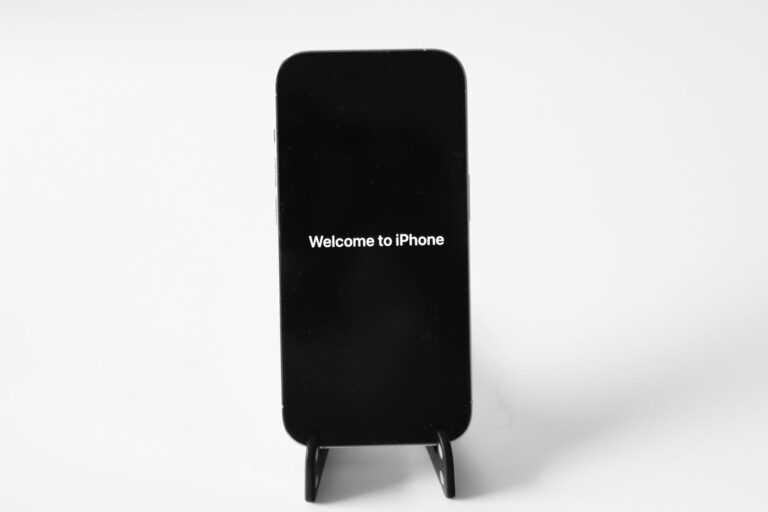





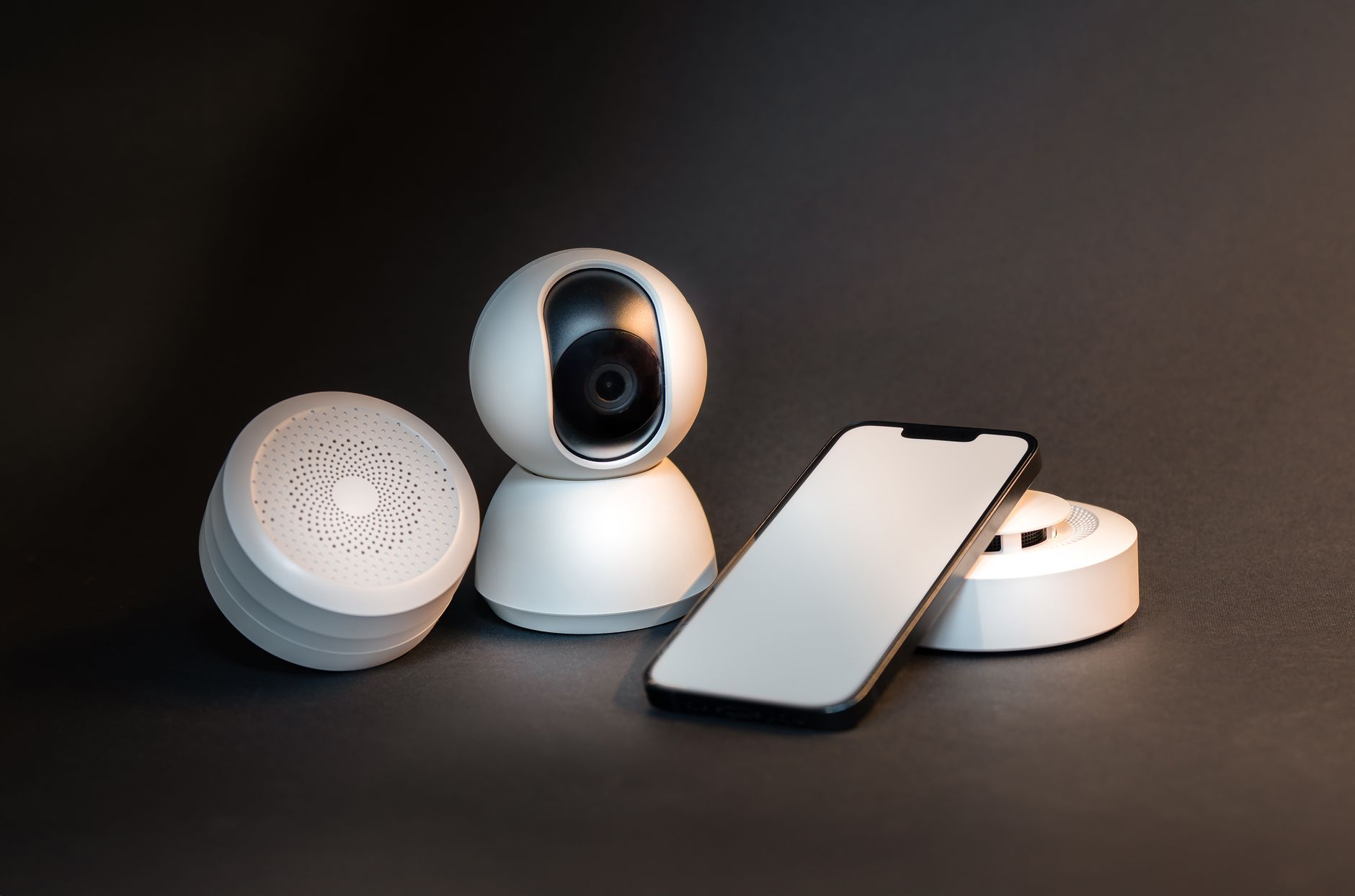
Smart-home technology is essential for Apple's stock revival. Discover proven strategies that can enhance your investment.
Smart-home technology is crucial for Apple’s future. As the company seeks to revive its stock, a strong push in this area could lead to significant growth.
The Importance of Smart-home Technology
Smart-home technology has become an essential part of modern living, revolutionizing how we interact with our homes. As consumers increasingly seek convenience and efficiency, companies like Apple are prioritizing innovations in this field. The integration of smart-home technology not only enhances user experiences but also plays a critical role in driving sales and brand loyalty.
With the rapid growth of the Internet of Things (IoT), households are becoming more interconnected, allowing for seamless control of various devices. The significance of adopting these technologies is underscored by several key factors:
- Enhanced security: Smart-home technology offers advanced security features, providing peace of mind for homeowners.
- Energy efficiency: Automated systems can help reduce energy consumption, leading to lower utility bills.
- Convenience: Voice-activated assistants and smart devices simplify everyday tasks, making life easier.
As Apple navigates its market strategies, focusing on smart-home technology will be crucial for maintaining its competitive edge.
Current Trends in Smart-home Devices
As the demand for convenience and automation in everyday life increases, current trends in smart-home devices are evolving rapidly. Top companies, including Apple, are focusing on integrating advanced functionalities that enhance user experiences while ensuring seamless connectivity.
Recent developments indicate a rise in the adoption of smart-home technology, which includes:
- Voice-activated assistants: Devices like Apple’s HomePod are becoming central hubs for controlling various smart-home gadgets.
- Energy-efficient solutions: Smart thermostats and lighting systems are gaining popularity for their ability to reduce energy consumption while providing convenience.
- Enhanced security features: Home security systems that incorporate facial recognition and motion detection are increasingly in demand.
- Interoperability: Consumers are looking for devices that can easily integrate with existing systems, fostering a more cohesive smart-home environment.
These trends highlight the growing potential in the smart-home market, presenting opportunities for companies to innovate and attract consumers seeking modern solutions.
How iPhones Fit into Apple’s Strategy
Apple’s strategy to integrate its iPhones with smart-home technology is pivotal for the company’s growth. As consumers increasingly embrace connected devices, the synergy between iPhones and smart-home products enhances user experience and loyalty.
By leveraging the iPhone as a central hub, Apple allows users to effortlessly control various smart-home devices through the Home app. This seamless interaction creates a more cohesive ecosystem, encouraging customers to invest in more Apple-compatible devices.
Furthermore, the introduction of features like HomeKit provides robust security and accessibility for users managing their smart-home technology. This initiative not only attracts new customers but also retains existing ones, driving sales across multiple product lines.
As Apple continues to innovate, the integration of iPhones with smart-home technology will likely play a crucial role in revitalizing the company’s stock. By enhancing user engagement and expanding its market presence, Apple positions itself favorably in a competitive landscape.
Impact of Smart-home on Stock Prices
The impact of smart-home technology on stock prices has become increasingly significant as companies like Apple pivot towards this burgeoning market. Investors are closely monitoring how effectively Apple integrates smart-home solutions into its ecosystem.
Several factors contribute to the influence of smart-home technology on Apple’s stock performance:
- Market Demand: With the growing consumer interest in home automation and connectivity, companies that innovate in this space may see substantial returns.
- Product Synergy: Apple’s ability to combine its existing devices with smart-home features can enhance user experience, potentially driving higher sales.
- Brand Loyalty: Apple’s established customer base is likely to embrace smart-home technology, further stabilizing and boosting its stock prices.
As Apple continues to innovate and expand its offerings in smart-home technology, the correlation between these advancements and stock market performance will be closely scrutinized by investors and analysts alike.
Consumer Demand for Smart-home Solutions
As consumer interest in smart-home technology continues to grow, companies like Apple are eager to tap into this lucrative market. Recent surveys indicate that a significant number of homeowners are looking for ways to enhance their living spaces with innovative smart devices. This rising demand is driven by a desire for convenience, security, and energy efficiency.
Key factors contributing to the increasing consumer appetite for smart-home solutions include:
- Integration: Many consumers prefer devices that seamlessly work together, creating a cohesive smart ecosystem.
- Accessibility: As technology becomes more user-friendly, more people are willing to invest in smart-home solutions.
- Cost-Effectiveness: Energy savings and reduced utility bills appeal to budget-conscious homeowners.
Apple’s strategic positioning in this space aims to leverage these trends, ensuring that their smart-home offerings align with consumer expectations and preferences.
Challenges Facing Apple’s Smart-home Push
As Apple amplifies its efforts in the smart-home technology arena, it faces several challenges that could hinder its progress. First, the competition is fierce, with established players like Amazon and Google already dominating the market with their own ecosystems.
Additionally, consumer skepticism about security and privacy remains a significant hurdle. Many potential users are concerned about how their data is handled and whether their devices are truly secure, which can slow adoption rates.
Moreover, interoperability poses a challenge. With a wide range of devices from various brands, ensuring seamless integration can be complex. Apple must develop solutions that allow its smart-home products to work harmoniously with others to create a truly connected experience.
Lastly, the high price points of Apple’s devices may deter some consumers from investing in a complete smart-home setup. Addressing these issues will be crucial for Apple as it seeks to strengthen its position in the burgeoning smart-home technology market.
Future Innovations in Smart-home Technology
As the landscape of smart-home technology continues to evolve, Apple is poised to lead the charge in future innovations. With a commitment to enhancing user experience and seamless integration, the company is exploring several key areas that could redefine the smart-home environment.
Some of the anticipated advancements include:
- Enhanced Interoperability: Apple is expected to focus on making devices from various brands work together more seamlessly, fostering a more connected home ecosystem.
- Artificial Intelligence: Integrating AI capabilities will allow smart-home devices to learn user preferences, adapting to lifestyles and improving overall efficiency.
- Security Features: Future innovations will likely emphasize enhanced security measures, ensuring that users feel safe and confident in their smart-home setups.
- Energy Management: Smart-home technology may evolve to include more sophisticated energy monitoring features, helping users reduce consumption and lower costs.
These strategies reflect Apple’s vision to not only enhance the functionality of smart-home devices but also to solidify its position as a leader in this burgeoning market.
Conclusion: A Path Forward for Apple
In conclusion, Apple’s foray into smart-home technology presents a promising avenue for rejuvenating its market presence. With consumer demand on the rise, the integration of smart-home devices into Apple’s ecosystem can offer significant benefits. This strategy not only aligns with current trends but also strengthens the brand’s commitment to innovation.
To navigate the challenges ahead, Apple must focus on the following strategies:
- Enhancing interoperability: Ensuring that smart-home devices work seamlessly with iPhones and other Apple products will be crucial.
- Investing in user experience: Creating intuitive interfaces for smart-home management can drive consumer adoption.
- Expanding partnerships: Collaborating with established smart-home brands can enhance Apple’s product offerings.
- Promoting privacy and security: Addressing consumer concerns about data protection will build trust and loyalty.
By prioritizing these areas, Apple can effectively position itself in the competitive smart-home landscape, driving growth and shareholder value.
Photo by Jakub Zerdzicki on Pexels
Read the original