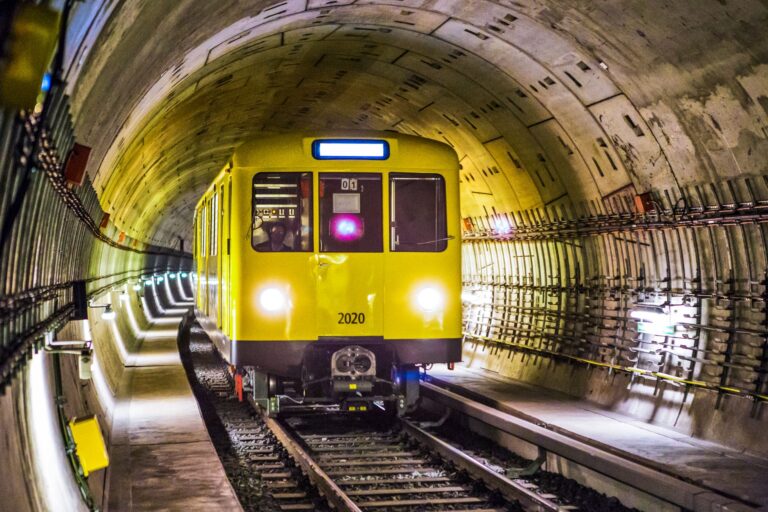





China export curbs are affecting Indian metro and rail projects, leading to significant delays and challenges.
China export curbs are set to impact Indian metro and rail projects, causing delays and complications in ongoing infrastructure development.
Understanding China’s Export Curbs
In recent developments, China has implemented stringent export curbs on critical machinery, notably tunnel boring machines (TBMs). These restrictions are expected to have a significant impact on various infrastructure projects across India, particularly in metro construction. Understanding China’s export curbs is essential for grasping the potential challenges that lie ahead for Indian urban development.
The export limitations come at a time when India is rapidly expanding its metro network to accommodate its growing urban population. The following points highlight the key implications of these curbs:
- Increased costs: With limited access to TBMs, metro projects may face higher expenses due to the need for alternative sourcing.
- Project delays: The unavailability of essential equipment could lead to significant delays in project timelines.
- Dependence on imports: India’s reliance on Chinese machinery underscores the vulnerability of its infrastructure ambitions.
The impact of China’s export curbs could prove detrimental to India’s metro projects, challenging their timely completion and overall viability.
Impact on Indian Infrastructure
The recent China export curbs on tunnel boring machines have raised significant concerns regarding the future of Indian infrastructure projects, particularly metro systems. Indian cities have been relying heavily on Chinese technology and machinery, especially for the construction of underground metro lines.
With the restrictions imposed by China, several ongoing projects may face severe delays and increased costs. The reliance on imported equipment means that alternatives will need to be quickly identified and sourced, which is not only time-consuming but also potentially more expensive.
Key impacts include:
- Delays in project timelines as contractors scramble to find replacements for the banned machinery.
- Increased financial strain on project budgets due to higher costs associated with alternative sourcing.
- Potential job losses in the construction sector if projects are stalled or scaled back significantly.
As India pushes forward with its urban development initiatives, the ramifications of these export curbs could be far-reaching.
Challenges for Metro Projects
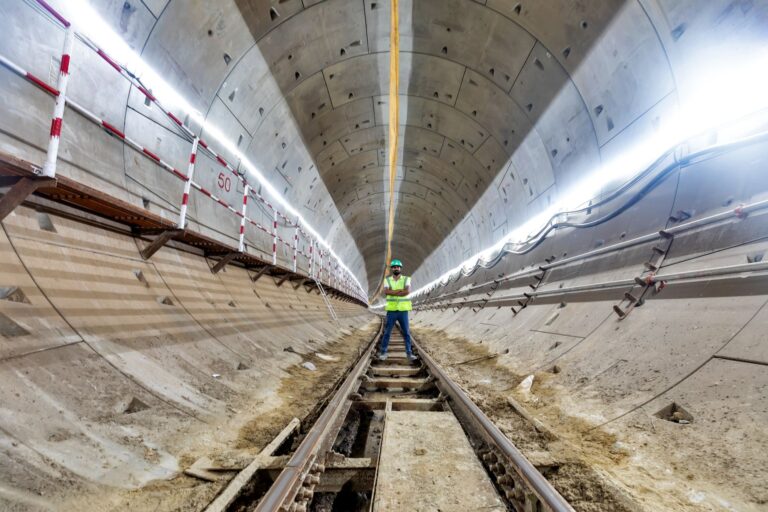
The recent China export curbs on crucial machinery are expected to pose significant challenges for metro projects across India. These restrictions primarily affect the availability of tunnel boring machines, which are essential for the construction of underground rail networks.
Due to China’s dominance in manufacturing these sophisticated machines, Indian infrastructure developers are now facing potential delays and increased costs. The impacts of these curbs can be outlined as follows:
- Supply Chain Disruptions: Delays in procurement can halt ongoing projects and disrupt planned schedules.
- Increased Costs: The scarcity of machines may force developers to seek alternatives at higher prices, inflating overall project budgets.
- Dependence on Imports: India’s reliance on Chinese technology highlights vulnerabilities in its infrastructure strategy.
As metro projects strive to meet growing urban transportation needs, addressing these challenges will be critical to ensure timely completion and efficiency in operations.
Response from Indian Authorities
In response to the recent China export curbs on essential machinery, Indian authorities have expressed their deep concerns regarding the potential delays in metro projects across the country. Officials from the Ministry of Urban Affairs have been engaging with stakeholders to assess the situation and explore alternative solutions.
One of the key officials stated, “The tightening of export restrictions by China on tunnel boring machines could significantly hinder our progress on ongoing metro projects. We must act swiftly to mitigate this impact.”
The government is now considering a multi-faceted approach to address the challenges posed by these curbs, which may include:
- Encouraging domestic manufacturing of vital machinery.
- Exploring partnerships with alternative suppliers from other countries.
- Implementing expedited regulatory processes for the import of similar technology.
As the situation evolves, Indian authorities remain committed to ensuring that urban transportation projects continue to advance without significant disruptions.
Future of Tunnel Boring Machines
The future of tunnel boring machines (TBMs) in India is now uncertain due to the recent China export curbs. As these machines are essential for constructing underground metro networks, their restricted availability poses significant challenges to ongoing and upcoming projects across major cities.
Indian metro projects, which have been significantly reliant on Chinese technology and equipment, may face delays and increased costs as alternative sources are sought. The current situation raises concerns over the following:
- Supply Chain Disruptions: The immediate impact of the export curbs may cause unexpected interruptions in the supply chain, affecting project timelines.
- Cost Implications: The search for alternative suppliers may lead to higher procurement costs, further straining project budgets.
- Technological Gaps: Indian manufacturers may not yet possess the technology or capacity to replace TBMs sourced from China effectively.
As a result, stakeholders are urged to explore viable solutions that mitigate the adverse effects of these export restrictions.
Global Implications of Export Restrictions
The recent China export curbs on essential machinery, particularly tunnel boring machines (TBMs), have far-reaching global implications. As countries increasingly rely on international supply chains, restrictions from a major exporter like China can disrupt not only local projects but also international collaborations. With India’s metro projects heavily dependent on these machines, the curbs could lead to delays and increased costs.
Experts suggest that countries in the Asia-Pacific region, which also rely on Chinese technology and machinery for infrastructure development, may face similar challenges. The tightening of export regulations could prompt a re-evaluation of existing partnerships and sourcing strategies, potentially pushing nations to seek alternatives. This shift may lead to a surge in demand for domestically manufactured TBMs or the import of equipment from other countries, which could take time to establish.
Furthermore, the ripple effects of these restrictions could affect global construction timelines and costs, ultimately impacting economic growth and development across various sectors.
The recent China export curbs have significantly delayed the timeline of several key infrastructure projects in India. As a result, stakeholders are increasingly concerned about the long-term implications of these China export curbs on urban development.
By NASA’s Earth Observatory via Openverse
Where this came from
Related stories